
FAQ
Fire Safety
How do I test my smoke alarm?
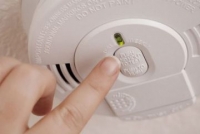 Each smoke alarm has a test button. Press the test button and hold it for a few seconds. If it is working correctly, the alarm will sound and will automatically stop when you release the button. Remember to test your smoke detector monthly and change the batteries at least once a year. If your smoke alarm is over 10 years old, it needs to be replaced with a new unit.
More Answers About Fire Safety
Fire Safety
Can I get a free smoke detector?
The Briaroaks Fire Department purchases a limited number of smoke alarms for distribution to residents who may otherwise not be able to afford them. Please submit a contact form with your request and someone will be in contact to discuss the options with you. The fire department can also assist...
Read The Rest
Fire Safety
Do I need a carbon monoxide detector?
Yes! Carbon monoxide (CO) is an odorless, colorless gas that can be deadly. Every home should have at least one CO detector on each level, especially near sleeping areas. CO detectors should be installed if you have:Gas appliances (furnace, water heater, stove, dryer)Fireplace or wood-burning stoveAttached garageAny fuel-burning equipmentReplace CO...
Read The Rest
Fire Safety
Why is my smoke alarm chirping?
If the detector is chirping and no sign of fire or smoke is present, replace the battery as soon as possible. Without a working battery, a smoke detector can't do its job and the risk of dying in a fire increases greatly. Smoke detector batteries should be changed when you...
Read The Rest
Grease Fires and Water Do Not Mix
Never throw water on a grease fire — it will cause the burning oil to explode and spread the fire rapidly. Instead, turn off the heat source, carefully slide a lid over the pan to smother the flames, and leave it covered until it cools completely. If the fire is too large to control, evacuate and call 911.
Check Your Smoke Alarm Placement
Smoke alarms should be installed on every level of your home, inside every bedroom, and outside each sleeping area. Mount them on the ceiling or high on a wall, 6 to 8 inches below the ceiling. Avoid placing them near windows, doors, or ducts where drafts could interfere with their operation.